

Crafting Return-to-Office Strategies That Work
by MIT Endicott HouseReturning to the office is less about getting people back in a building and more about giving them a reason to want to be there. MIT’s Endicott House is well positioned to help organizations craft return-to-office strategies that work for your team and your employees. We can help you address the biggest pain points of return to office by creating intentional in-person gatherings that build trust, strengthen collaboration, and make the time together feel worthwhile.
Right now, the smartest return to office strategies aren’t based on mandates or blanket policies. MIT Sloan Management Review argues that forcing people back can damage engagement and push away top performers, while better approaches focus on employee needs, trust, and genuine reasons to gather. That is where the Endicott House can play a meaningful role, because it offers a setting designed for connection rather than control.
The real pain points
The return to office conversation often exposes the same problems again and again: low morale, weakened trust, unclear expectations, and the sense that time in the office is being required instead of made valuable. MIT Sloan Management Review also notes that employees should be thought of more like customers, which means organizations need to understand what different groups need from in person time and design accordingly. In other words, the issue is not just where people work, but whether leaders have created an experience worth returning for.
A better reason to gather
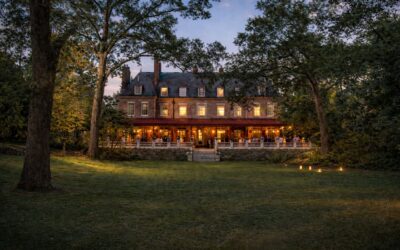
The Endicott House helps solve that challenge by giving teams a place to meet with purpose. Its elegant meeting rooms, outdoor breakout areas, and networking meals support the kind of intentional gatherings that strengthen belonging and collaboration. That matters because the most effective return to office strategies are not just daily mandates, but meaningful team gatherings tied to milestones, planning sessions, and relationship building.
This is especially important for hybrid teams, where in person time is often limited and needs to count. Rather than asking employees to return for routine tasks they could do anywhere, leaders can use a place like the Endicott House for offsites, strategy sessions, planning meetings, and team connection events that make the commute worthwhile. That approach aligns with research showing that companies create more value when they invest in connection, not control.
Designing for collaboration
Poor leadership is often the real issue behind a weak hybrid experience, not the hybrid model itself. Teams need structure, clear goals, and thoughtful environments that make collaboration easier once everyone is together. The Endicott House supports that by offering a setting where leaders can move beyond status updates and into deeper work, supported by spaces that encourage conversation, informal connection, and focused discussion.
It also helps address one of the biggest hidden costs of return to office: isolation. Research has noted that workplace loneliness will not be fixed by simply mandating people back full time, and that social connection depends on culture, downtime, and opportunities for group interaction. Meals, chitchat, and time to connect outside formal agendas all play a role in helping people feel like part of a team again.
Return-to-Office Strategies that Work
The most successful return to office strategies are not about surveillance or attendance. They are about outcomes, trust, and intentional gatherings that rebuild momentum. The Endicott House gives organizations a place to do exactly that, with a setting that feels removed from daily distractions but still practical for productive work. That combination makes it easier for teams to focus, reconnect, and leave with a clearer sense of direction.
For organizations navigating the return to office conversation, the goal should be simple: create in person time that employees see as worth the effort. MIT’s Endicott House can help make that happen by turning required time together into meaningful time together.
Recent Blogs

Return to Work Mandates Are Rising, But Teams Still Need Flexibility
Return to work mandates are back in the conversation. Is a fully in-person model the right move? Or is hybrid the better long-term fit?

AI Expert Spotlight: Simon Johnson
Nobel Prize-Winner Simon Johnson was recently featured in MIT Sloan Ideas Made to Matter, which spotlighted his work on the economics and politics of artificial intelligence. The article explains how Johnson’s Shaping the Future of Work initiative urges business and...
Private Estate vs. a Hotel for Your Event: Which is better?
When planning a private event, the setting shapes everything. If you’re choosing between a private estate vs. a hotel, which is right?