

Cooperation Is the Secret Ingredient to Success for Modern Teams
by MIT Endicott HouseCooperation is not just a nice quality to have on a modern team. It is one of the clearest predictors of whether a group can adapt, solve problems, and move toward shared goals with confidence. MIT Sloan Management Review recently called cooperation an essential power skill for leaders, and that insight feels especially relevant now, when teams are navigating busy schedules, hybrid work, and the need to do more with fewer opportunities for meaningful in-person connection.
For many organizations, the challenge is not whether employees are talented. It is whether they are truly working together in a way that creates momentum. Cooperation helps teams share information more freely, reduce friction, and build the trust needed to make faster and better decisions. Research on teamwork and collaboration consistently points to the same conclusion: when people communicate openly, understand one another’s roles, and feel comfortable contributing, performance improves.
That is where a place like MIT’s Endicott House becomes more than a venue. It becomes a setting where cooperation can take root.
Why cooperation matters now
The modern workplace asks a lot from teams. People are expected to collaborate across departments, make decisions quickly, and stay aligned even when they are not in the same room every day. That kind of teamwork does not happen automatically. It has to be built through shared experiences, clear communication, and opportunities to strengthen relationships outside the pressure of daily deadlines.
MIT Sloan Management Review notes that cooperation can be difficult because it requires people to move beyond busyness, indifference, and unproductive conflict. That is an important reminder for leaders. Cooperation is not simply about being agreeable. It is about creating the conditions that make joint effort easier, more natural, and more effective. When those conditions are missing, even capable teams can struggle to work as one.
The role of off-sites
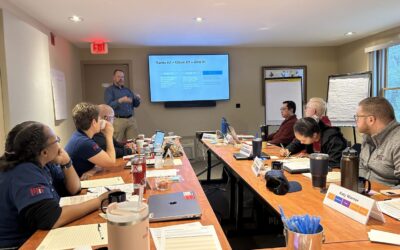
One of the best ways to strengthen cooperation is to bring people together in a setting that encourages honest conversation and shared problem solving. Off-site meetings and team retreats help teams step back from routine work and reconnect as people first, colleagues second. Research on team retreats shows that these gatherings can improve morale, collaboration, and innovation, while also helping teams align around common goals.
That is especially true for organizations with hybrid or dispersed teams. When people spend most of their time working independently, an off-site creates the kind of concentrated interaction that helps them rebuild trust and improve day to day collaboration. It also gives leaders a chance to model the kind of cooperation they want to see, from active listening to shared accountability and constructive feedback.
A setting built for connection
MIT’s Endicott House is especially well suited to this kind of work because the property itself supports thoughtful connection. With elegant meeting rooms, outdoor breakout areas, and networking meals, the venue gives teams room to move, talk, and work together in ways that feel less forced than a typical office setting. Our 25 acres of Olmstead-designed grounds also create a calm environment that encourages reflection and more open conversation.
That matters because cooperation often grows in the spaces between formal sessions. A walk between meetings, a shared meal, or a breakout in the garden can lead to the kind of conversations that build trust and uncover new ideas. Endicott House makes those moments easier to create, which is one reason it is so effective for leadership retreats, department off-sites, and team-building programs.
Services that support teamwork
The best team experiences are rarely built on a single meeting alone. They are built on a mix of structure, setting, and shared experience. At Endicott House, that can mean a strategy session in one of the conference rooms, a breakout discussion outdoors, a catered meal that gives everyone time to connect, or a facilitated team building activity that brings the group together around a common challenge.
Those kinds of programs matter because they help teams practice cooperation in real time. Instead of simply talking about communication, trust, and alignment, people get to experience them. And when a group leaves an off-site with stronger relationships and a clearer sense of shared purpose, that momentum carries back into everyday work.
The payoff for modern teams
Cooperation may sound simple, but in practice it is one of the most valuable skills a team can develop. It helps people share ideas more freely, solve problems faster, and support one another more effectively. For leaders, that makes cooperation less of a soft skill and more of a strategic advantage.
That is why thoughtfully-designed gatherings matter so much. They create the space teams need to reconnect, reset, and strengthen the habits that make cooperation possible. At MIT’s Endicott House, those experiences are supported by a setting that encourages focus, conversation, and connection from the moment your team arrives.
Recent Blogs
How the Right Meeting Environment Can Make Strategic Planning More Productive
Offsite holiday parties create a clear break from the office and make the gathering feel intentional rather than routine.

Offsite Holiday Parties: Are they worth it?
Offsite holiday parties create a clear break from the office and make the gathering feel intentional rather than routine.

Return to Work Mandates Are Rising, But Teams Still Need Flexibility
Return to work mandates are back in the conversation. Is a fully in-person model the right move? Or is hybrid the better long-term fit?